Car Seat Safety Education
Buckle it right, nice and tight, safe kids every day and night!
Motor vehicle crashes are one of the leading causes of injury for children. Using the correct car seat and installing it properly can reduce the risk of serious injury and death.
Car seats are designed to protect children whose bodies are still developing. When used correctly, they help distribute crash forces and keep children securely positioned during sudden stops or collisions.
Key facts for parents:
-
Correct car seat use significantly lowers injury risk.
-
Many car seats are installed incorrectly.
-
Choosing the right seat depends on your child’s age, weight, and height.
Car seat safety checks- because every ride matters!
Choosing the Right Car Seat for Your Child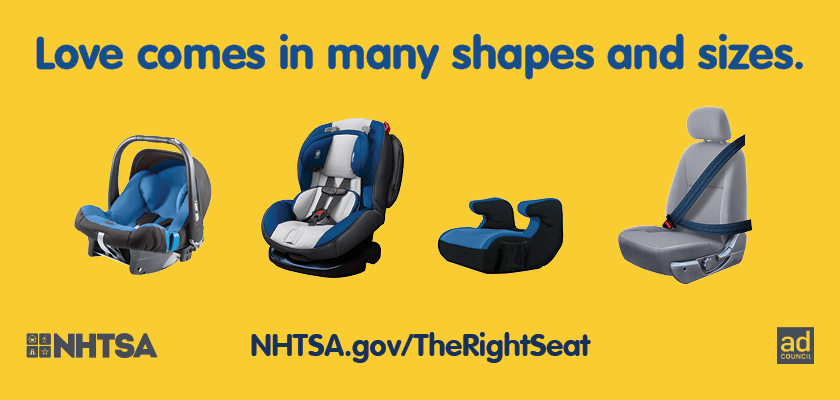
Birth – Age 2+
Rear-Facing Car Seat
- Safest position for babies and toddlers
- Supports head, neck, and spine
- Keep rear-facing as long as possible until seat limits are reached
Ages 2–5
Forward-Facing Car Seat
- Uses a 5-point harness
- Provides strong upper body support
- Use until child reaches height or weight limits
Ages 5–8+
Booster Seat
- Raises child so seat belt fits correctly
- Use until seat belt fits properly without booster
Ages 8–12
Seat Belt
- Lap belt across upper thighs
- Shoulder belt across chest and shoulder
- Children should ride in the back seat
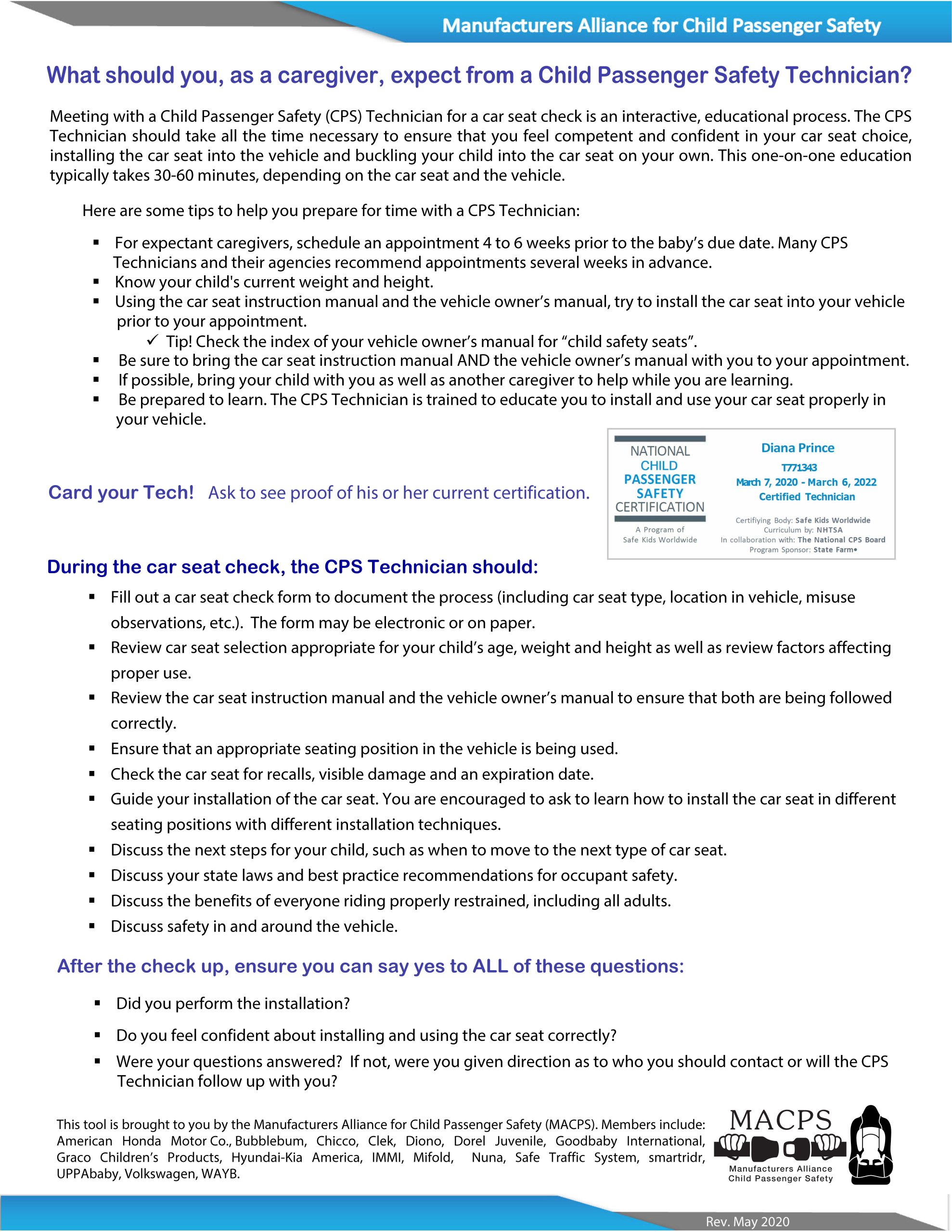
Looking to check the safety of your child’s car seat in your vehicle?
Our Public Health Nurse, Janine Vose is a Child Passenger Safety Technician.
For car seat checks, contact Janine via email at jvose@nddh.org or by phone at (860) 774-7350 ext. 124.